


How to Sell Family Land Quickly and Fairly Without Being Taken Advantage Of Selling family land is one of the most emotionally complicated transactions most people will ever handle. It often happens during stressful life moments such as inheritance disputes, divorce, illness, or the need to quickly settle an estate. The pressure to move fast can attract the wrong kinds of buyers, and that makes many landowners fear being taken advantage of or leaving money on the table. The good news is that it is possible to sell land quickly, ethically, and for a fair price if you follow the right process and protect yourself from the start. Understanding Why These Sales Feel So Hard Family land is different from investment land. It carries memories, shared ownership, unfinished conversations, and sometimes disagreements about what is “fair.” When a sale is forced by a life event, the stress multiplies. People often feel rushed, unsure of the property’s true value, and worried about making a mistake in front of siblings or former spouses. That is exactly why predatory buyers target these situations. They know that urgency often leads to underpricing and shortcuts. Awareness of that dynamic is the first step in avoiding it. Step One: Get a Clear, Neutral Understanding of the Property’s Value Nothing protects you more than knowing what the land is truly worth. Before talking to buyers, gather objective third-party information. This can include: A broker price opinion or land-specialist appraisal Recent comparable land sales within a reasonable radius Zoning, allowable uses, and development potential Access to utilities, road frontage, and topography details When you know the real numbers, you remove the leverage from buyers who prey on uncertainty. Even if you need to sell fast, a clear valuation anchors your expectations and helps prevent panic decisions. Step Two: Decide How Fast You Actually Need to Sell Many sellers assume they must sell immediately, but timelines often have more flexibility than people think. It helps to categorize your situation into one of three paths: Immediate sale : Needed to satisfy probate requirements, settle a financial obligation, or finalize divorce terms. Fast sale, but not urgent : Ideal within 30 to 90 days. Flexible sale : You want a fair outcome even if it takes a little longer. Understanding your timeline lets you choose the right strategy. For example, a truly urgent need might require working with an investor or land-buying company. A 60 to 90 day runway allows for a traditional listing that usually nets a higher price. Many sellers discover they can choose a middle path once they see their real obligations and deadlines. Step Three: Protect Yourself With the Right Professionals Selling land is often more technical than selling a home. There are zoning rules, access rights, easements, plat maps, title issues, timber values, mineral rights, and other hidden factors that can impact pricing. During stressful life events, these details can easily be overlooked. You can protect yourself by building a small team early: A land-focused real estate agent or land consultant A closing attorney or title professional A tax advisor if inheritance or capital gains could affect you This team removes guesswork, prevents costly mistakes, and keeps opportunistic buyers from taking advantage of gaps in your knowledge. Step Four: Create Competitive Interest Instead of Accepting the First Offer One of the biggest dangers in family land sales is accepting a low “urgent” offer simply because the situation feels overwhelming. The smartest protection is to create even a small amount of competition. Land buyers behave differently when they know they are not the only option. You can do this by: Listing the property publicly for two to three weeks Marketing to both local buyers and specialized land investors Setting a clear deadline for offers Asking for proof of funds or financing upfront Even in a fast sale, two to three competing buyers can raise your net price significantly. Many sellers are surprised at how quickly good land moves when marketed correctly. A little exposure often adds thousands of dollars in value without slowing down the timeline. Step Five: Watch for Common Red Flags When emotions are high, it is easier to overlook warning signs. Here are some signals that a buyer may not have your best interest in mind: Offers far below market value with pressure to sign quickly Refusal to provide proof of funds Claims that the land has “problems” no one else will notice Requests to bypass normal legal closing procedures Attempts to divide family members or create conflict When you see these behaviors, take a step back. Predatory buyers rely on rushed decisions. You can avoid them by insisting on a transparent, documented process with clear timelines and proper legal oversight. Step Six: Communicate Openly With Everyone Involved In inheritance or divorce situations, misunderstandings can lead to lingering resentment long after the sale is complete. Setting expectations early and updating everyone throughout the process keeps things calm and prevents conflict. Share valuation reports, timelines, and offers openly so no one feels left out or blindsided. The more transparency, the less friction. A useful tip is to send a weekly or bi-weekly update email outlining the progress, interest, and next steps. Even simple communication helps the entire family feel confident that the sale is being handled properly. Final Thought: Quick and Fair Is Possible Selling family land can feel overwhelming, especially during emotional life transitions. But with the right guidance, you can sell quickly and still protect the property’s true value. The key is to understand the land’s worth, set a realistic timeline, use trustworthy professionals, and avoid the traps that rushed sellers often fall into. A fast sale does not have to be a low sale. A fair price and a smooth closing are achievable when you approach the process with clarity rather than pressure. If you want, I can also help you turn this into a downloadable resource or a video script for additional content.
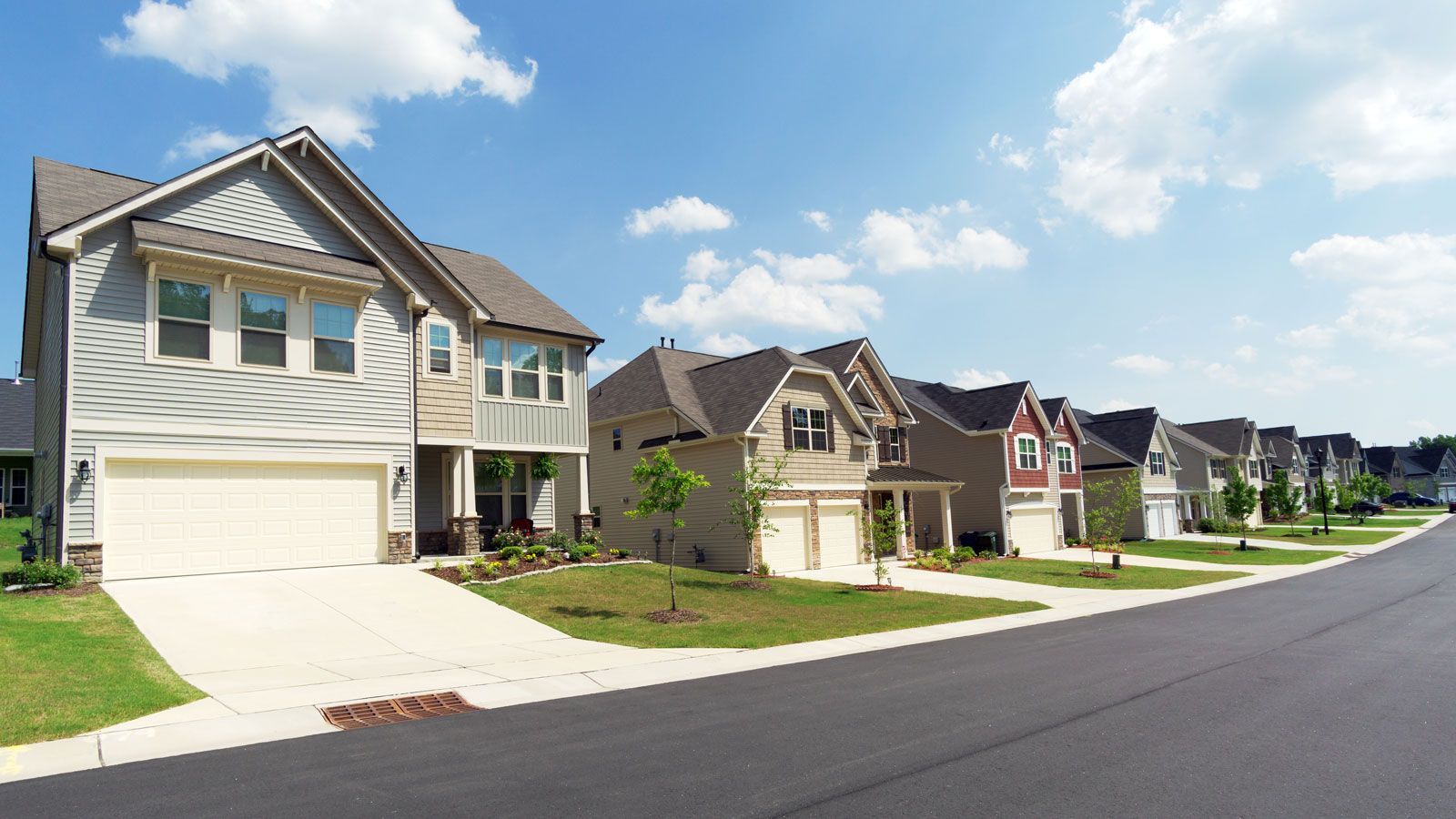
How U.S. Homes Grew and Why Affordability Shrunk: A Look at the 1970s, 1980s, and Today Walk into a renovated ranch or split-level from the 1970s or 1980s, and it immediately feels more compact than a modern home. That feeling is justified. Over the last fifty years, houses in the United States have nearly doubled in size while household incomes have barely budged in comparison. This widening gap between how big homes have become and how slowly wages have risen is a central reason ownership is harder to achieve today. Homes in the 1970s In the mid-1970s, the typical new home averaged about 1,600 square feet. Layouts were straightforward and focused on practicality rather than luxury. Families lived with smaller kitchens, modest storage, and traditional room separation because expectations were simpler and budgets were tighter. Homebuilding was oriented toward utility, affordability, and a middle-class buyer who did not demand extensive amenities. The Shift in the 1980s By the mid-1980s, home sizes had increased to around 1,800 square feet. This period introduced early versions of open-concept living along with expanded kitchen and living areas. Builders also began adding attached garages, bonus rooms, and more specialized spaces as suburban growth took off. Rising dual-income households and improving consumer credit contributed to a mindset that more space was both desirable and increasingly achievable. To summarize the difference between the two decades: 1970s homes emphasized simplicity and low cost. 1980s homes added space, convenience, and early luxury features. Consumer expectations started shifting upward, influencing how builders operated. Today’s Homes Homes built in the 2020s typically fall between 2,350 and 2,500 square feet and come with features that would have been considered upgrades in earlier generations. The standard wish list now includes large owner’s suites, walk-in closets, spacious kitchens with islands, and flexible rooms that serve as offices or guest spaces. Higher ceilings, larger garages, and outdoor living areas also contribute to the modern idea of what a “normal” home should offer. What Larger Homes Mean for Affordability As home sizes grew nearly seventy percent since the 1970s, incomes increased far more slowly. Larger homes naturally require more materials, more labor, and more land, which raises the cost of construction and pushes prices upward for buyers. Affordability becomes strained when the baseline product in the market shifts from modest and functional to expansive and amenity-rich. A second pressure point is land. In the 1970s, land near growing cities was cheaper and more abundant, which allowed builders to sell small starter homes at accessible prices. Today, land is significantly more expensive and zoning rules often require larger lots than many buyers truly need. This combination forces builders to create larger homes at higher margins simply to cover land and development costs. Cultural expectations amplify these pressures. Over time, Americans began viewing certain upgrades as non-negotiable features. Big kitchens, large closets, and spacious bathrooms became the standard rather than the exception. This shift helped eliminate the traditional starter home. Only a small share of new homes built today are under 1,400 square feet, a size that was once common in nearly every market. Here are the key impacts on today’s buyers: Fewer small, attainable homes are being produced. The cost of land and regulation pushes builders toward larger, more expensive products. Entry-level buyers face limited options and higher barriers to ownership. Where This Leaves the Market Affordability did not erode solely because construction costs rose. It eroded because the definition of a “standard” home fundamentally changed. Earlier generations bought smaller, simpler homes, and those homes were intentionally designed to fit middle-class incomes. Today, the baseline product has grown beyond what many first-time buyers can comfortably afford. The path back toward affordability requires more than just adding supply. It requires enabling builders to create smaller homes through updated zoning, smaller lots, and more flexible housing types such as cottage courts, townhomes, and missing-middle developments. Many households also show a growing interest in manageable, lower-maintenance homes, which suggests that demand for smaller options is strong if policies and economics allow them to be built. Final Thoughts Homes in the 1970s and 1980s were compact, practical, and accessible to average families. Modern homes offer far more features, but that expansion in size and amenities has come at the cost of affordability. If homeownership is to become widely attainable again, the market must shift toward building smaller, thoughtfully designed homes that align with what typical households can realistically afford.